Settling in North America · Field Guide No. 36

Moving to BostonMassachusetts

42.3603° N · 71.0578° W / POP. 675,647

A no-nonsense guide to moving to Boston — costs, neighborhoods, and hidden truths about life in the Bay State.

Get free immigration help
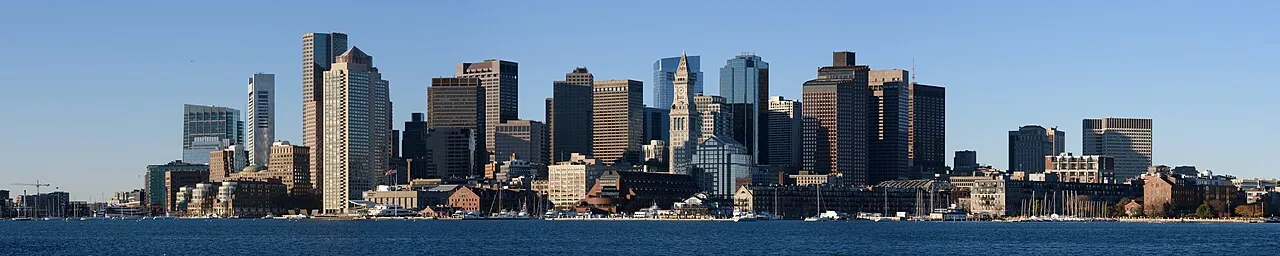
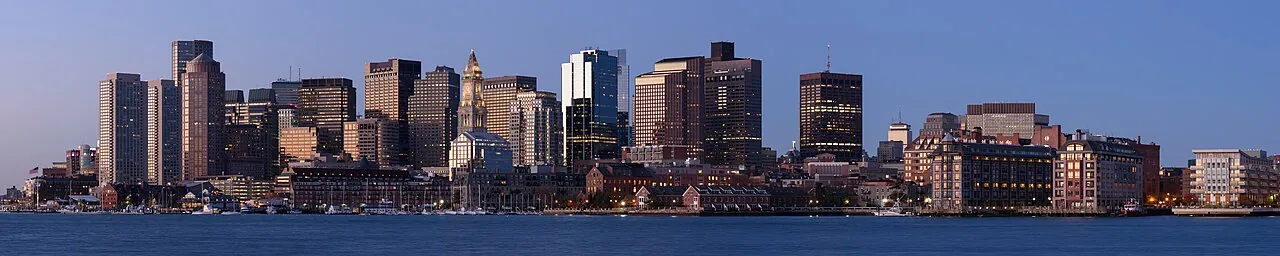
◉ You are here Boston skyline from East Boston November 2016 panorama 5 in Boston, Massachusetts
Boston skyline from East Boston November 2016 panorama 542.3603°N 71.0578°W
~676kCity population
Local guideUpdated from live data
Reading 01 — Cost of Living

Cost of Living: High, But Worth It?

Boston is pricier than nearby cities but cheaper than other major U.S. hubs. Housing and daily expenses are steep, but the city’s cultural value and amenities justify the cost for many.

Housing

  • Homes in Beacon Hill are historic and expensive.
  • North End offers walkable streets but high prices.
  • Back Bay features upscale condos with luxury amenities.
  • South End has trendy spots but steep rent.

Cost figures update monthly from live listings; always check current data.

Everyday costs

  • Massachusetts has high state taxes.
  • Public transit is reliable but pricey.
  • Groceries are moderate compared to other cities.
  • Parking is expensive in downtown areas.
Reading 02 — Where to Settle

The neighbourhoods, plainly

Historic charm · Beacon Hill

Beacon Hill

Cobblestone streets and steep prices define this neighborhood’s charm.

Vibrant culture · North End

North End

Italian heritage and lively streets come with a high price tag.

Upscale living · Back Bay

Back Bay

Luxury condos and top-tier amenities dominate this affluent area.

Trendy vibe · South End

South End

Artisan shops and a buzzy arts scene offset pricey rents.

Reading 03 — Work, Study & Getting Around

Jobs, Schools, and Commuting in Boston

Boston’s major employers include Harvard, MIT, and healthcare giants. Public schools are solid, but private options are pricey. Commuting is mostly local, with no major hubs within 220 km — expect long drives to nearby cities.

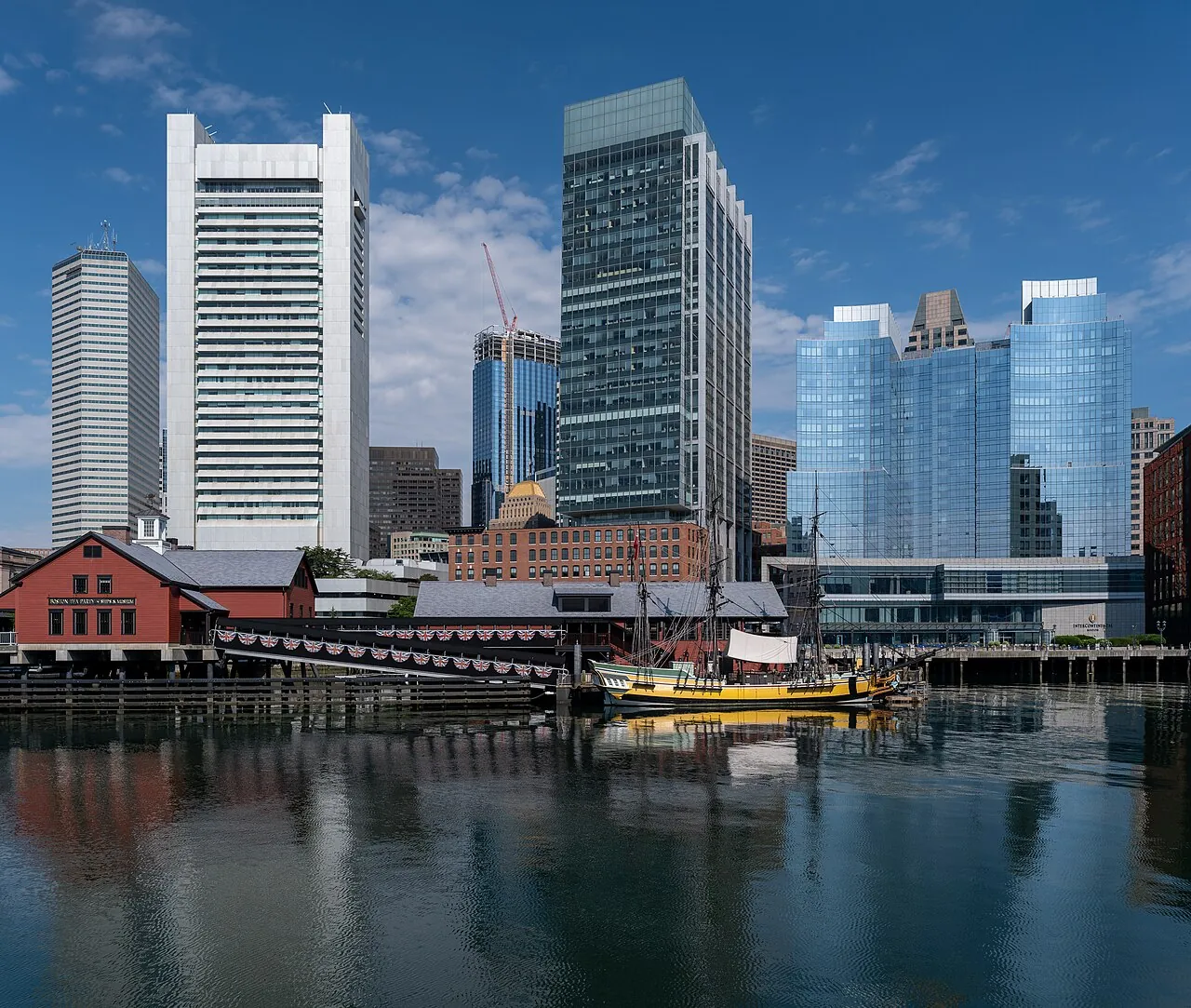
Boston Tea Party Ships & Museum, Boston, Massachusetts, US (PPL2-Enhanced) julesvernex2 in Boston, Massachusetts
Fig. 2 — Boston Tea Party Ships & Museum, Boston, Massachusetts, US (PPL2-Enhanced) julesvernex2
Reading 04 — The Honest Pros & Cons

The honest pros & cons

What newcomers love

  • Cultural vibrancy with world-class museums and festivals.
  • Top-tier schools and universities in the area.
  • Walkable neighborhoods with historic architecture.
  • Strong job market in tech, healthcare, and education.
  • Access to coastal beaches and outdoor recreation.

What to go in knowing

  • High cost of living strains budgets for newcomers.
  • Limited public transit options outside downtown.
  • Winters are harsh and unpredictable.
  • Noise and density in older neighborhoods.
  • A fast-paced lifestyle with little downtime.
↳ Continue the route

What's it actually like to live here?

Cost of living and paperwork are only half the story. For the day-to-day — events, food, the real feel of each neighbourhood — cross to our sister guide.

Everyday life in Boston on Tiny Local Adventure
Next planning guides

Compare the pathway, not just the city

◈ FREE IMMIGRATION CONSULT

Planning your move to Boston?

Talk to a licensed immigration consultant (RCIC) or lawyer — a free, no-obligation chat about your pathway, timeline, and whether Boston is the right place to land.

🔒 Goes to a licensed immigration professional · No spam · No obligation

Reference — Common Questions

Frequently asked

Is it a good place to live?
Yes, but high costs and weather can challenge newcomers.
How does it compare on cost to the nearest big city?
More expensive than nearby cities but cheaper than New York or San Francisco.
Distance to the nearest hub?
No major hubs within 220 km; commuting to nearby cities is time-consuming.
Best neighbourhoods for families?
Beacon Hill and South End offer safety and amenities, but prices are steep.
Is it easy to rent?
Renting is competitive; expect long waits and high deposits.