Settling in North America · Field Guide No. 31

Moving to ChicagoIllinois

41.8819° N · 87.6278° W / POP. 2,746,388

Chicago's skyline hides more than skyscrapers — here's what you'll face when moving here.

Get free immigration help
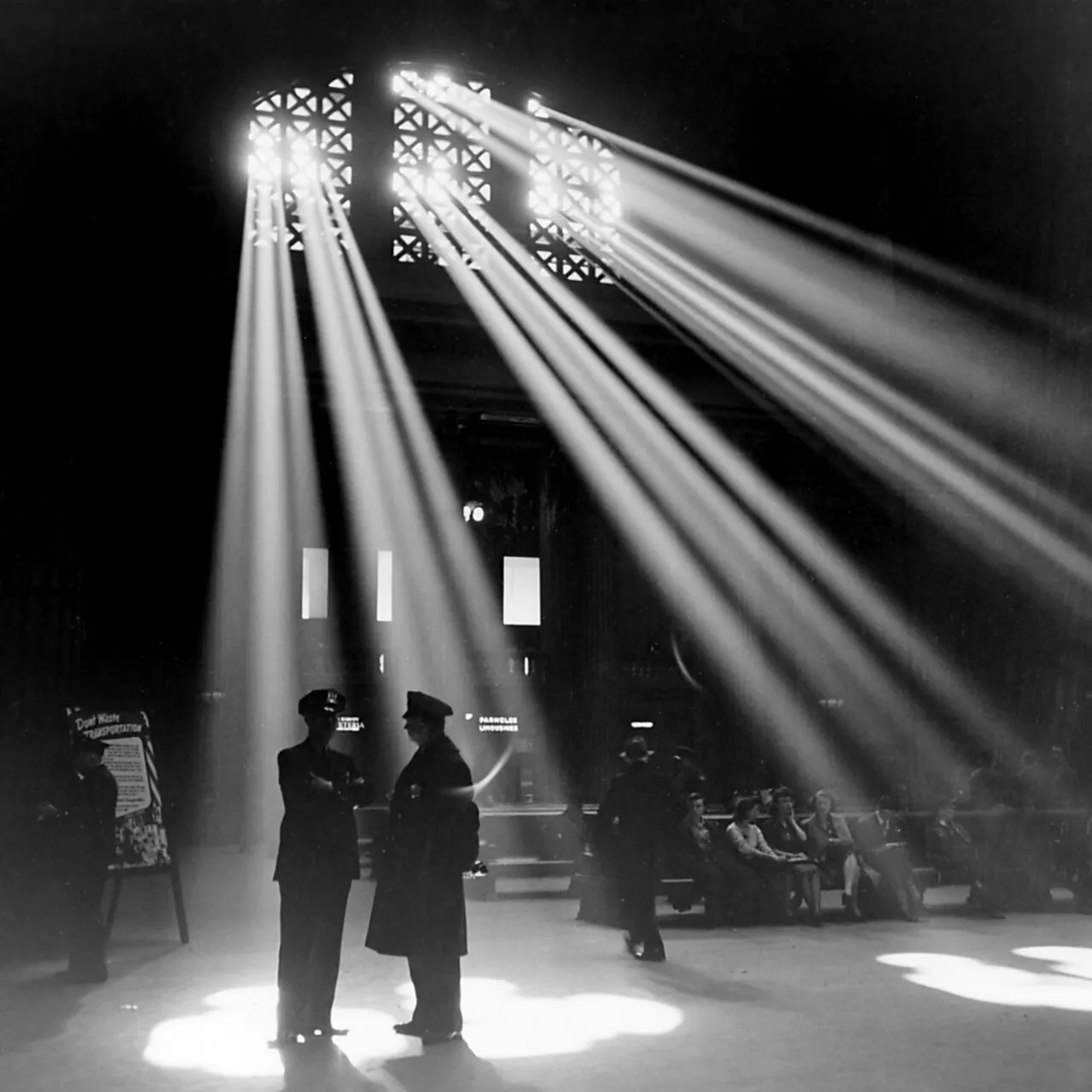

◉ You are here Chicago Union Station 1943 in Chicago, Illinois
Chicago Union Station 194341.8819°N 87.6278°W
~2746kCity population
Local guideUpdated from live data
Reading 01 — Cost of Living

Cost of Living: Cheaper than NYC, pricier than midwest

Chicago's cost is mid-tier compared to nearby cities. Housing and groceries are more expensive than smaller midwestern towns but cheaper than coastal hubs. Public transit cuts down on car expenses.

Housing

  • Median home prices are higher than most Midwest cities but lower than coastal equivalents
  • Renting is common due to high home prices and limited inventory
  • Walkability varies widely between neighborhoods
  • Foreclosures and fixer-uppers are available in older districts

Housing data updates monthly from real estate listings

Everyday costs

  • Property taxes are moderate compared to national averages
  • Public transit passes cost less than car ownership in many areas
  • Groceries are reasonably priced but dining out is pricey
Reading 02 — Where to Settle

The neighbourhoods, plainly

Historic · Black-owned

Bronzeville

Culturally rich but faces economic challenges with high crime rates

Bohemian · Artsy

Pilsen

Vibrant Latinx neighborhood with great restaurants but rising rents

Old-world · Quiet

Ukrainian Village

Tree-lined streets and historic architecture hide gentrification pressures

Upscale · Family-friendly

Lincoln Park

Expensive but offers top schools and park access with long commutes

Reading 03 — Work, Study & Getting Around

Jobs, Schools, and Commute Realities

Chicago's job market is diverse but commuting can be stressful. Major universities are within 220 km drive. Public transit is reliable but overcrowded during rush hours. School quality varies widely by district.
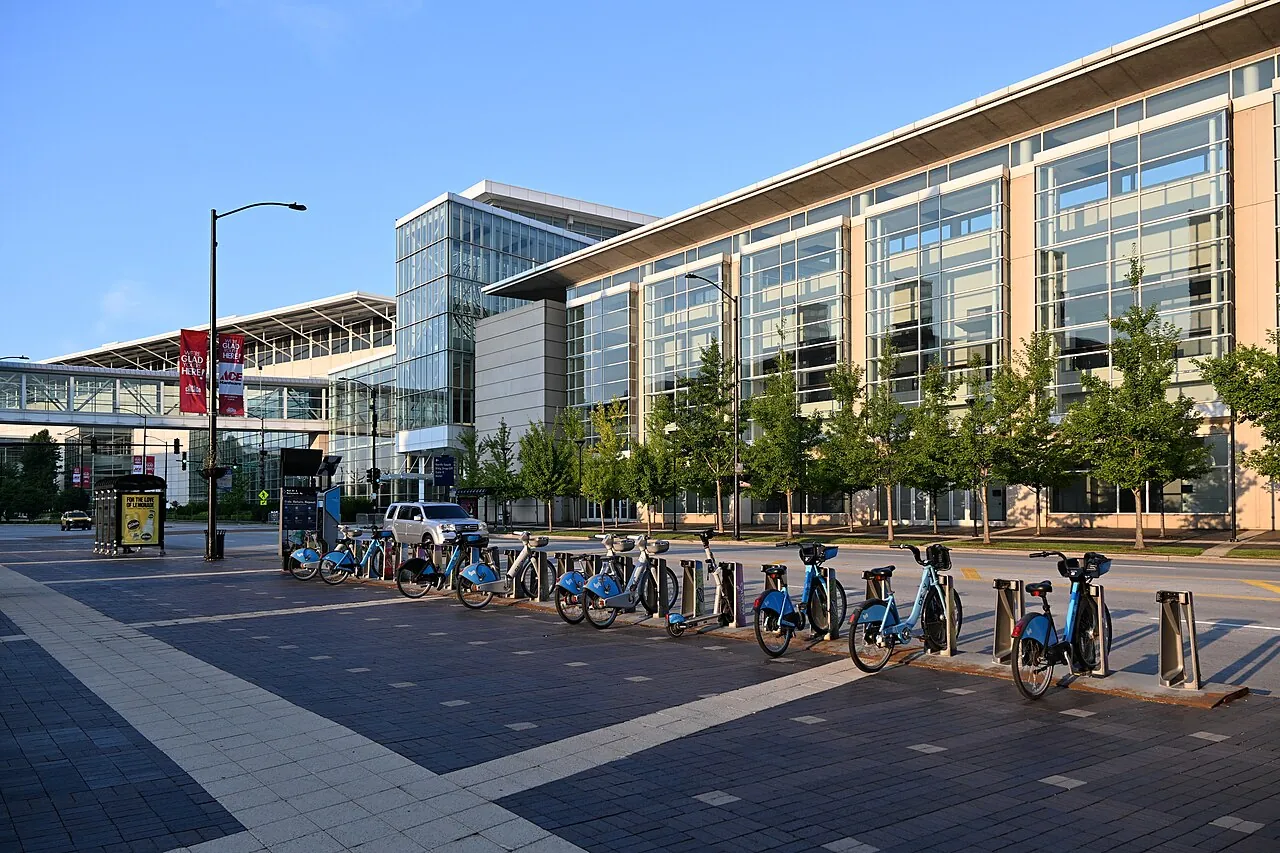
Divvy bikes at McCormick Square, Chicago, 2025 in Chicago, Illinois
Fig. 2 — Divvy bikes at McCormick Square, Chicago, 2025
Reading 04 — The Honest Pros & Cons

The honest pros & cons

What newcomers love

  • World-class museums and cultural institutions
  • Excellent public transportation network
  • Strong job market in finance and tech
  • Abundant dining and nightlife options
  • Year-round outdoor activities

What to go in knowing

  • High cost of housing compared to Midwest averages
  • Severe weather impacts daily life
  • Traffic congestion during peak hours
  • Crime rates vary significantly by neighborhood
  • Public schools often underfunded
↳ Continue the route

What's it actually like to live here?

Cost of living and paperwork are only half the story. For the day-to-day — events, food, the real feel of each neighbourhood — cross to our sister guide.

Everyday life in Chicago on Tiny Local Adventure
Next planning guides

Compare the pathway, not just the city

◈ FREE IMMIGRATION CONSULT

Planning your move to Chicago?

Talk to a licensed immigration consultant (RCIC) or lawyer — a free, no-obligation chat about your pathway, timeline, and whether Chicago is the right place to land.

🔒 Goes to a licensed immigration professional · No spam · No obligation

Reference — Common Questions

Frequently asked

Is Chicago a good place to live?
It depends on your priorities — vibrant culture and job opportunities offset higher costs and variable quality of life.
How does it compare on cost to the nearest big city?
Cheaper than New York or San Francisco but more expensive than most Midwestern cities.
Distance to the nearest hub?
No major airport within 220 km; nearest hubs are in Indiana and Wisconsin.
Best neighborhoods for families?
Lincoln Park and Ukrainian Village offer good schools but come with higher price tags.
Is it easy to rent?
Renting is common but competitive; expect long wait times for quality units.