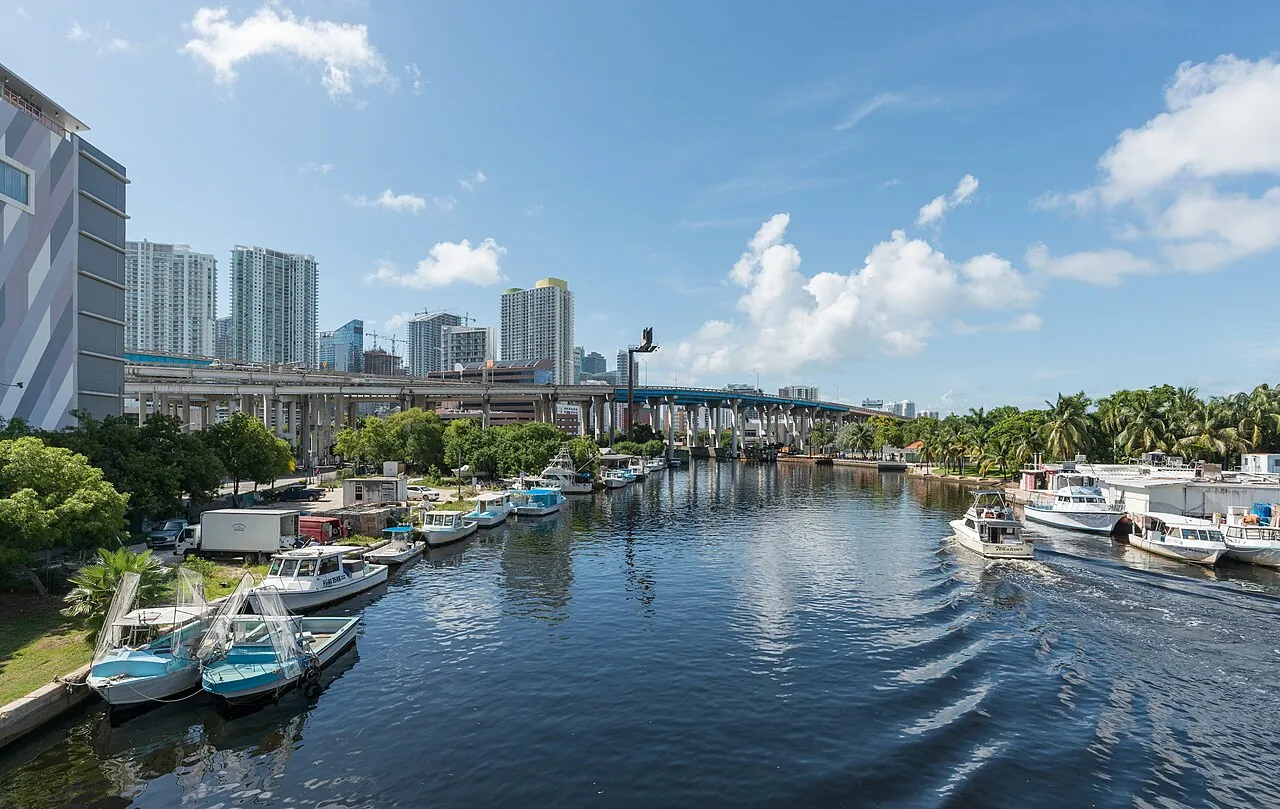
A straight-talking guide to relocating here — what it costs, where to live, and what nobody tells you about the heat and humidity.
Get free immigration help

Living in Miami is more expensive than nearby cities like Tampa or Jacksonville. Downtown and Design District are among the pricier areas, while Little Havana and Overtown offer more affordable options. Commuting without a major hub nearby can add to daily expenses.
Cost figures update monthly from live listings and may vary based on location and market trends.
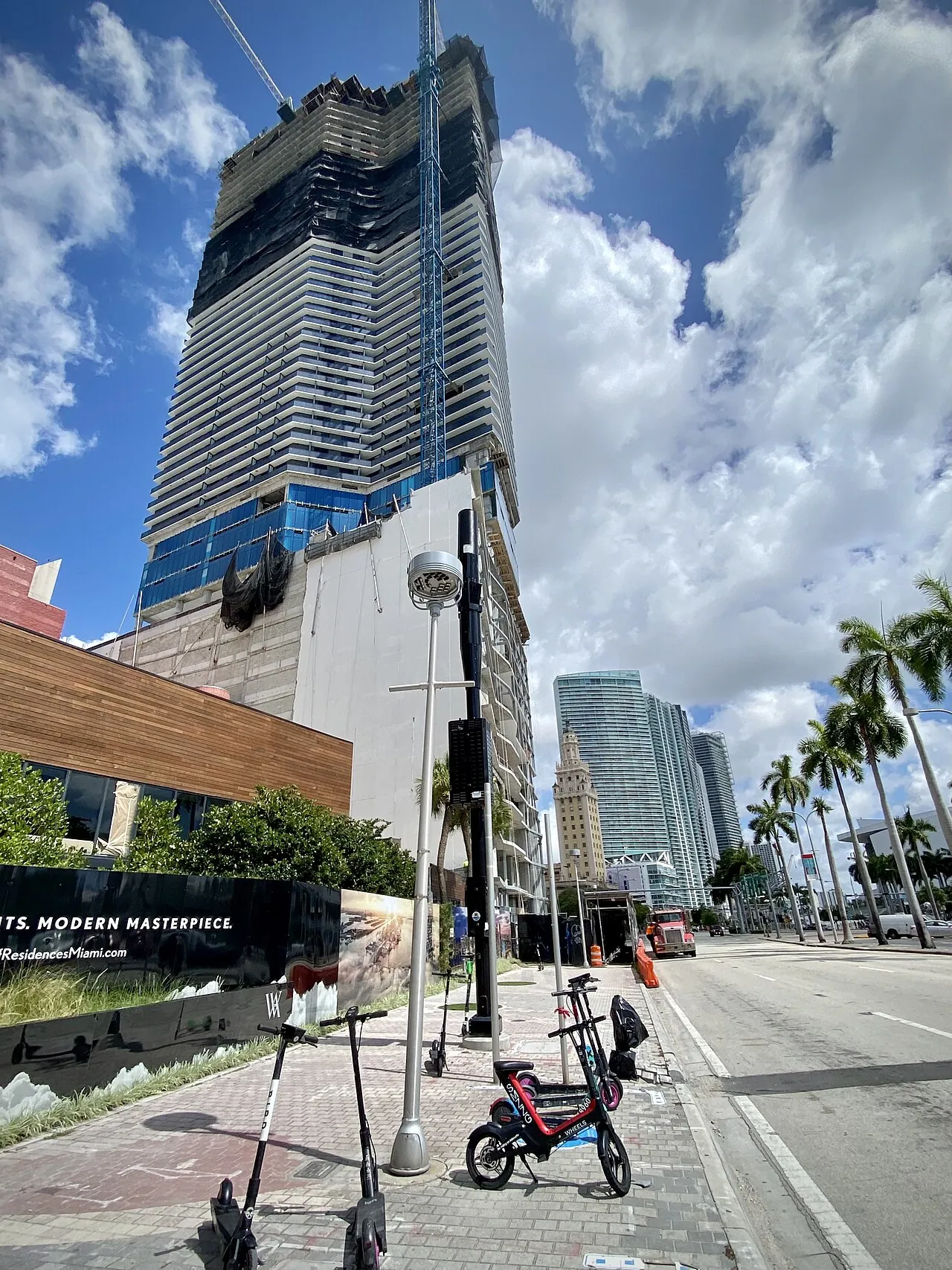
High-rise living with vibrant nightlife and cultural spots, but noise and traffic are constant.
Trendy boutiques and galleries, but pricey and lacking in affordable housing options.
Flavorful food and vibrant culture, but limited amenities and older infrastructure.
Affordable with historic charm, but older buildings and slower internet are drawbacks.
Miami’s job market is strong in finance and tourism, but no major hub within 220 km means longer commutes. Public transit is limited, so car ownership is common. Schools in Miami-Dade are varied, with some top-rated options in suburbs.

Cost of living and paperwork are only half the story. For the day-to-day — events, food, the real feel of each neighbourhood — cross to our sister guide.
Everyday life in Miami on Tiny Local AdventureVisa, work, study, and city planning.
Planning guideH-1B, study, family, and city choices.
Planning guideCompare US metros for work and family fit.
Planning guideCompare employer-tied upside and settlement stability.
Talk to a licensed immigration consultant (RCIC) or lawyer — a free, no-obligation chat about your pathway, timeline, and whether Miami is the right place to land.
General info, not legal advice — for your case, talk to a licensed professional.